Navigating Life Without Anger: An Exploration of an Abnormal Emotional Condition
5/29/202615 min read


Introduction to Alexithymia and Emotional Awareness
Alexithymia is a psychological condition characterized by an individual’s difficulty in identifying and expressing their emotions. The term originates from the Greek words "a," meaning "without," "lexis," meaning "words," and "thymos," meaning "emotions." Individuals with alexithymia often struggle to recognize their emotional states, which can hinder their ability to articulate feelings effectively. This emotional disconnect can significantly impact interpersonal relationships and overall wellness. For those affected, understanding emotions may feel like navigating through a fog, where feelings are not just ambiguous but also suppressed or ignored.
One of the primary challenges for individuals with alexithymia is the inability to discern internal emotional experiences. Studies suggest that this condition can lead to a range of difficulties, including trouble in forming deep emotional connections with others. These challenges may manifest in various ways, such as miscommunication or misunderstanding in relationships, which can further exacerbate feelings of isolation and frustration. The lack of emotional awareness might also contribute to mental health issues, like depression and anxiety, as individuals are unable to adequately process or express their feelings.
Emotional literacy, the ability to recognize, understand, and articulate emotions, plays a crucial role in personal development. For individuals with alexithymia, enhancing emotional awareness can lead to significant improvements in mental health and relational dynamics. Techniques and tools, such as the Feelings Wheel, can aid in identifying emotions and improving emotional expression. This approach not only benefits those with alexithymia but is also essential for everyone. Developing emotional awareness promotes empathy, better communication, and healthier interactions, ultimately leading to enriched personal and social well-being.
Introduction to My Condition
Experiencing life without the feeling of anger is a rare and often misunderstood emotional condition. As a close reference to give a better understanding, officially known as "anger aversion," this state is the closest I can relate and is characterized by a marked absence of anger and related emotions such as frustration or resentment. While most individuals regularly encounter these feelings in response to everyday irritations or injustices, those of us who experience this condition navigate life with a unique emotional landscape.
The rarity of this condition is notable; fewer than five percent of the population is believed to exhibit a comprehensive lack of anger. In my personal experience there was no trigger to cause the "anger aversion" and seems to be purely genetic or the way my mind has been wired, I have learned to adapt to various social situations where anger might typically arise. For instance, I often find myself in conversations where others express outrage or disappointment, emotions that seem so foreign to me. Instead of anger, I tend to observe these reactions with a sense of curiosity rather than judgment or empathy. This absence of anger can be both liberating and isolating, as I strive to connect with others who do not share this emotional response.
On a day-to-day basis, this condition affects how I perceive challenges and conflicts. For example, when faced with criticism or setbacks, I approach each situation with a rational mindset rather than a reactive one. A personal anecdote that illustrates this is my experience in the workplace, where coworkers often vent about frustrating scenarios. Instead of commiserating, I find myself offering solutions or seeking understanding, which sometimes leads to the perception that I am indifferent or unemotional.
Overall, lacking the capacity to feel anger significantly shapes my interactions and responses to the world. While this condition is indeed rare, it offers a unique perspective that invites reflection on the importance of emotional expression in human relationships.
The Emotional Wheel
and My Experience
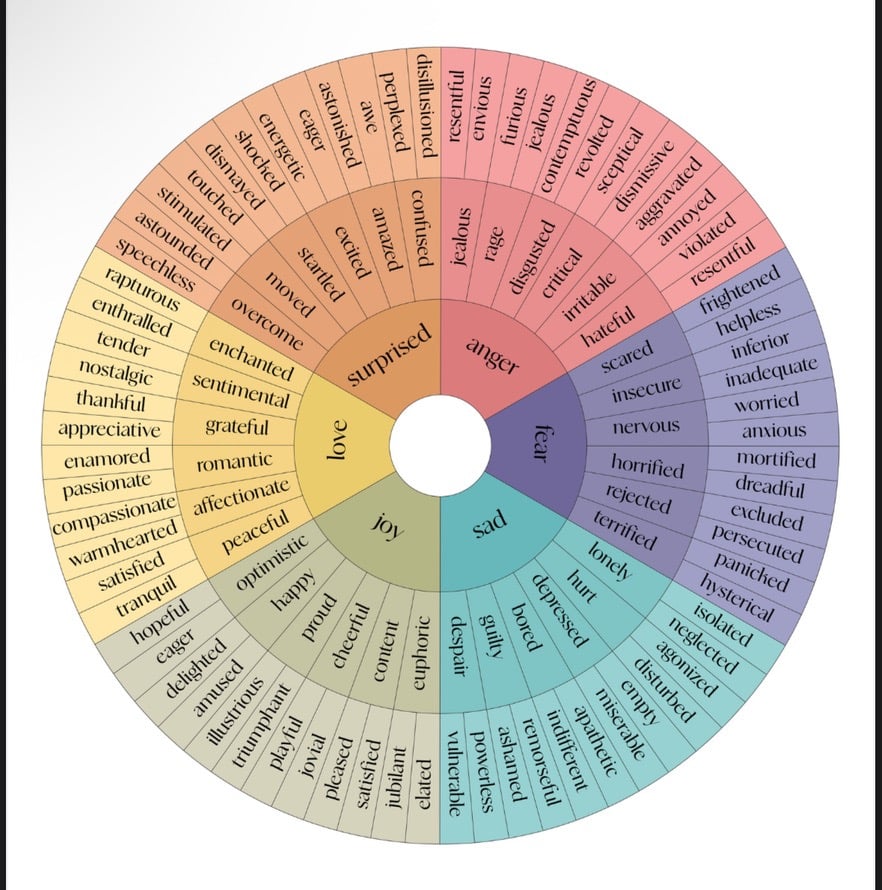
The emotional wheel is a conceptual framework developed by psychologist Gloria Willcox, serves as an insightful instrument designed to enhance emotional literacy, It helps to categorizes and illustrates the various emotions humans can experience. It is often used as a tool to help individuals identify and articulate their feelings more clearly. The wheel is divided into three concentric circles, which encompass a selection of core emotions at the center, accompanied by various related feelings in the outer layers. This design helps individuals pinpoint specific feelings that may often go unnoticed or misidentified.
At the center of the wheel, one finds primary emotions such as joy, sadness, anger, fear, surprise, and disgust. Expanding outward, these emotions branch into more nuanced feelings. For example, joy may branch into feelings of contentment, pride, or gratitude, while sadness can elongate into feelings of disappointment, loneliness, or hopelessness. By using the Feelings Wheel, individuals can move from a general sense of emotion to a more precise understanding, thus aiding in emotional expression and communication. Through my personal journey, I have found that fear and sadness frequently emerged as the dominant emotions, particularly in moments where anger would traditionally be expected.
Utilizing the Feelings Wheel in daily life can be beneficial, particularly in moments of emotional confusion. For instance, if someone feels overwhelmed but cannot articulate their experience, they can refer to the wheel to identify their precise emotion—whether it stems from anxiety, frustration, or perhaps something else. This clarity not only facilitates personal insight but also fosters meaningful conversations with others, thereby enhancing interpersonal relationships. Furthermore, incorporating the Feelings Wheel into therapeutic settings allows individuals to navigate their feelings more adeptly, making it an invaluable resource for emotional development and awareness.
In situations that may typically elicit an angry response, I noticed a tendency to withdraw into feelings of fear or deep sadness instead. This coping mechanism often masked my inability to confront anger directly. Fear, in this context, stemmed not only from personal insecurity but also from societal norms that discouraged overt expressions of rage. Similarly, sadness became a refuge; it allowed me to express vulnerability, which felt more permissible compared to the visceral nature of anger. The juxtaposition of these emotions illustrates their interconnectedness, highlighting how the absence of one can amplify the presence of others.
Understanding the emotional wheel broadened my perspective on emotional responses. Rather than viewing anger as simply a missing element in my emotional spectrum, I began recognizing how fear and sadness served vital roles in navigating my experience. They provided insights into my psyche and highlighted the underlying issues that influenced my emotional landscape. Learning to embrace these emotions allowed me to cultivate a more profound comprehension of my emotional health, resulting in positive changes in my behavior and interactions with others. With time, I became adept at recognizing this emotional interplay, paving the way for a more genuine expression of my feelings.
Grieving Without Anger:
A Personal Encounter
Grief is a complex and deeply personal process that involves various emotional responses, including sadness, denial, and sometimes, anger. Typically, anger surfaces as an expected reaction during significant losses, serving as a protective mechanism that allows individuals to cope with their pain. However, my own experience during a period of profound grief highlighted a different response: the complete absence of anger.
Facing the prospect of a leukemia diagnosis can evoke a myriad of emotions, If it came back positive my lifespan would be effectively be measured in weeks, the initial shock propelled me into a state of contemplative mourning. In social contexts, discussing grief often brings up anger as a prominent theme often leading one through the intricate stages of grief, which include denial, anger, bargaining, depression, and acceptance. My journey began with an overwhelming sense of disbelief; the concept of a potentially life-altering illness felt surreal. Denial served as a protective mechanism, allowing me to postpone the harsh emotional reality of the situation. During this phase, I often found myself rationalizing the potential diagnosis, convincing myself that the medical tests would yield inconclusive results.
However, as symptoms persisted and medical evaluations progressed, the phase of anger emerged. Anger manifested itself in various forms – directed not only at the circumstances but also at myself, relatives, and even the healthcare system. I questioned why this was happening; feelings of helplessness and frustration permeated my thoughts. It is during this time that one grapples with the emotional turmoil, often feeling isolated despite the support from loved ones. — whether it is anger directed towards the things I wish to experience, anger towards circumstances, or even anger at oneself for feelings of helplessness. Yet, as I processed my unique grief journey, I found that these typical emotional pathways bypassed me entirely. Instead of anger, I was enveloped in a profound sense of loss underscored by appreciation for the time shared and the memories created.
As I moved into the bargaining stage, I engaged in a series of internal negotiations. Thoughts centered around wishing for better outcomes or a second opinion dominated my mind. This phase highlighted my longing for control over the uncontrollable, illustrating a degree of emotional understanding regarding my situation. The looming reality of the potential diagnosis fostered an acute awareness of my vulnerabilities.
Eventually, the emotional weight transitioned into a domain of sadness as the gravity of my circumstances became undeniable. Depression loomed heavily, providing a backdrop against which my reflections on life, death, and what might lie ahead unfolded. Surprisingly, this entire journey culminated in a comparatively swift acceptance. Realizing the importance of emotional processing, I found that acceptance yielded not resignation but clarity. Embracing the unknown nurtured resilience, enabling a deeper emotional understanding, and facilitating expression amidst the tumult of grief.
This experience challenged conventional notions surrounding emotional responses in grief. Without the expected anger, I was able to navigate through my sorrow more openly, allowing space for acceptance and reflection. The absence of this common emotion did prompt self-reflection as I questioned whether it diminished my grieving process or if it inadvertently transformed it into a deeper understanding of love and loss.
This personal encounter with grief illustrated that while anger is often seen as a typical element of mourning, an absence of this emotion can lead to alternative forms of healing. Recognizing and accepting various responses—including those that diverge from societal expectations—can foster a more inclusive understanding of grief. Ultimately, the exploration of grief without anger uncovers deeper layers of human emotion, paving the way for compassion and connection.
The Challenge of Anger and Social Conditioning
Anger, a complex and often misunderstood emotion, presents a unique challenge in today's society. From an early age, individuals are often subjected to specific societal norms regarding emotional expression, which can significantly influence how they experience and express anger. Cultural messages frequently dictate that the display of anger is inappropriate, particularly among certain demographic groups, including women. This conditioning can result in a learned suppression of anger, leading individuals to mask their true feelings with more socially acceptable emotions, such as sadness or frustration.
This phenomenon is strongly rooted in belief systems that develop over time, impacting how individuals perceive not only their own emotions but also those of others. Many people internalize the idea that expressing anger is a sign of weakness or a lack of control. Consequently, when faced with feelings of anger, they may resort to emotional camouflage, donning a facade of neutrality or even cheerfulness. The repercussions of this social conditioning can be profound, as suppressing anger often leads to increased feelings of frustration, anxiety, or even depression.
Moreover, the inability to adequately express anger can strain relationships and hinder effective communication. When individuals are unable to articulate their feelings, misunderstandings may arise, creating a cycle of unexpressed anger that can lead to resentment. Engaging with the emotions of anger in a constructive manner is crucial for emotional health. Developing an awareness of the beliefs that underpin emotional suppression can empower individuals to confront their feelings of anger authentically. Recognizing that anger, when expressed appropriately, can serve as a valuable indicator of personal boundaries and unmet needs is essential for fostering healthier emotional responses.
Shadow Work: Unearthing True Emotional Experiences
Shadow work is a therapeutic approach aimed at exploring the unconscious parts of the psyche, particularly those emotions and experiences that individuals tend to suppress or deny. This form of self-exploration is vital in the emotional healing journey, as it encourages individuals to confront their hidden feelings, ultimately leading to greater self-awareness and emotional understanding. The concept of shadow work is rooted in Jungian psychology, where the 'shadow' represents the aspects of ourselves that remain unacknowledged or repressed.
Engaging in shadow work allows individuals to identify and address repressed emotions, including anger, sadness, and fear. This process can be challenging as it often involves delving into uncomfortable truths and confronting the facets of ourselves we may prefer to ignore. However, the rewards of this introspection can be profound. By acknowledging these hidden aspects, individuals can begin to heal past wounds, break patterns of negative behavior, and cultivate a healthier emotional landscape.
There are several methods to facilitate shadow work. One common approach is journaling, wherein individuals write about their thoughts and feelings without censoring themselves. This practice promotes honesty and clarity, aiding in the revelation of underlying emotions that require attention. Meditation is another effective technique, encouraging mindfulness and self-reflection, which can lead to insights about one's shadow self. Additionally, therapeutic practices, such as engaging with a mental health professional, can provide guidance and support as individuals navigate this often complex terrain.
Ultimately, shadow work serves as a vital tool in the quest for emotional healing. By allowing individuals to confront and process their repressed emotions, it fosters a deeper emotional understanding and promotes personal growth. The exploration of these aspects is not only crucial for individual healing but also essential for building healthier relationships with others and cultivating greater overall emotional resilience.
Connecting with the Emotions Behind Anger
Anger is often perceived as a primary emotion, yet it frequently serves as a shield for deeper, more vulnerable feelings. Recognizing the layers of emotions behind anger can facilitate emotional intelligence and promote healthier expression of these feelings. The Feelings Wheel is a valuable tool in this process, enabling individuals to dissect their emotional experiences and gain insight into what lies beneath their anger.
To effectively connect with the emotions overshadowed by anger, one must first practice self-awareness. This involves taking a moment to pause and reflect on what triggered the anger. Instead of reacting impulsively, ask yourself probing questions: What am I truly feeling? Is there sadness, frustration, or fear that is being masked by my anger? Acknowledging these underlying emotions can create a pathway to understanding and healing.
Another essential strategy is to utilize journaling as a means to explore feelings. Writing down thoughts can help delineate anger from other emotions. Consider crafting a list of situations that evoke anger and then examine what emotions accompany these experiences. By engaging with this written exploration, it becomes easier to identify recurring themes, thereby clarifying the nuanced feelings hiding underneath.
Moreover, incorporating mindfulness techniques can aid in recognizing emotional patterns. Mindfulness practices, such as meditation or deep breathing, allow individuals to center their thoughts, creating mental space to tune into feelings beyond anger. This practice fosters a gradual shift towards acknowledging and expressing feelings like disappointment or hurt, which often accompany anger.
Understanding the emotions behind anger is a transformative process. By leveraging tools such as the Feelings Wheel, self-awareness, journaling, and mindfulness, individuals can uncover and express the repressed emotions that fuel their anger, leading to a more profound and authentic emotional experience.
Unmasking My Emotions: An Introspective Journey
Throughout my life, I found myself donning varied masks representing emotions that I believed were necessary for social acceptance. Anger, in particular, was a mask I wore frequently, as I perceived it to be a strong response that commanded respect and understanding from others. However, this journey of self-reflection has allowed me to embark on an introspective exploration of my true emotional landscape, leading me to dismantle these emotional façades.
The process of unmasking began with a conscious decision to dig deep and confront the feelings that lay hidden beneath the surface. I realized that the rage I had embraced was often just a superficial layer that concealed other more vulnerable emotions such as sadness, fear, and disappointment. As I peeled back these metaphorical layers, the facades I had crafted began to fall away, exposing the intricate reality of my emotional existence.
Upon reflection, I discovered that the act of simulating anger was often a response to societal expectations and pressures. This realization was illuminating; it revealed how deeply ingrained beliefs about masculinity and emotional expression had influenced my responses. I found it significant that the emotions I felt were not just reactions to external stimuli, but reflections of my internal struggles and unaddressed needs.
This journey into my emotional depths has enhanced my understanding of what it truly means to navigate life without anger. By acknowledging the authentic emotions behind my anger, I have gained greater empathy toward myself and others. Ultimately, this process of unmasking has been liberating, allowing me to embrace a more holistic understanding of my emotional self, shifting the narrative from anger-focused interactions to authentic connections that foster understanding and healing.
Reactions from Others: Confusion and Concern
During my journey of navigating life without the experience of anger, I engaged in meaningful conversations with local temple leaders who expressed a mixture of confusion and concern regarding my emotional condition. Their reactions highlighted a broader societal challenge in understanding emotional anomalies, particularly when anger, a typical human emotion, is completely absent.
The temple leaders began by suggesting that I seek therapy to explore the underlying factors contributing to my inability to experience anger. This recommendation emphasized a common perception that emotional responses are essential for mental health and well-being. The distinction between physical and psychosomatic conditions also surfaced during our discussions, with an acknowledgment that some emotions may manifest physically or stem from unresolved psychological issues. The leaders underscored the importance of professional intervention, recognizing that while my emotional state may appear calm and stable, it could potentially hide deeper psychological challenges.
Moreover, the conversations revealed a belief among some of the leaders that my emotional state might carry benefits, such as increased tranquility and clear-headedness. They noted that some individuals might adapt to life without anger, leading to improved relationships and life satisfaction. However, they cautioned that such a state could also be detrimental if it leads to suppressed emotions, which may eventually surface in problematic ways.
Behaviors associated with my emotional disposition were also a focal point of dialogue; they noted that I often approached situations with a level-headed demeanor, which appeared to alleviate conflicts and foster collaboration. However, the concern remained that avoiding anger could result in an emotional void, inhibiting genuine connections and personal growth. The complexity of emotional experience is profound; these discussions illustrated the multifaceted nature of the human emotional spectrum, leaving both myself and the temple leaders questioning the implications of a life devoid of anger.
The Benefits of Living Without Anger
The absence of anger in one’s life can lead to several remarkable benefits that significantly enhance one's quality of living. When we eliminate anger from our emotional palette, we often gain a unique perspective on life's challenges, allowing us to navigate situations with clarity and composure. This distinct viewpoint fosters resilience, promoting a deeper understanding of circumstances that might otherwise trigger frustration or irritability in typical emotional responses.
Furthermore, living without anger contributes to markedly reduced stress levels. Anger is often linked to a host of physiological symptoms including elevated heart rate and increased blood pressure. By consciously choosing to approach life without anger, individuals can experience a calmer demeanor, leading to improved overall health. Research indicates that lower stress levels correlate with better immune function and a lower risk of chronic diseases, highlighting the critical role this condition plays in personal well-being.
Moreover, the absence of anger cultivates healthier and more fulfilling interactions with others. Relationships often thrive in environments devoid of hostility and frustration. Instead of reacting impulsively during conflicts, individuals free from anger tend to respond more thoughtfully and constructively, facilitating open communication and understanding. This, in turn, leads to stronger connections and encourages a more supportive atmosphere, whether in personal or professional settings.
Through the acknowledgment and understanding of this emotional condition, individuals may discover profound peace and joy in various life situations. By appreciating the benefits that come with living without anger, one can embrace a lifestyle that prioritizes emotional clarity and interpersonal harmony. As we explore the richness of existence through such a lens, we find not only increased happiness but also a robust foundation for enduring relationships.
Moving Forward: Embracing My Emotional Reality
My journey through life has inevitably led me to recognize the profound complexities of emotions, particularly the absence of anger, which many consider a significant emotional response. While society often portrays anger as a necessary outlet or a natural reaction to frustration, my experience has shown me that navigating life without it is not only feasible but also liberating. The decision to embrace my emotional reality has taught me invaluable lessons about the spectrum of human feelings and their expressions.
Moving forward, my intention is to cultivate an emotional landscape rich in understanding and empathy rather than bitterness or rage. Anger, while acknowledged as a valid emotion, does not dictate my responses or perceptions. Instead, I have learned to appreciate a breadth of emotions ranging from contentment to sadness, recognizing that each serves a purpose and plays a role in my mental well-being. Embracing this emotional reality has enabled me to engage more authentically with both myself and those around me.
As I continue this journey, I seek to foster environments where emotional awareness is celebrated, not shunned. Sharing my experiences can help demystify the notion that anger is mandatory in response to conflict or injustice. Rather than conforming to societal expectations, I will advocate for a more comprehensive understanding of emotions. By doing so, I hope to inspire others to explore their emotional depths without fear or hesitation, leading to a society that values emotional diversity.
Ultimately, life without anger does not signify a detachment from strong emotional experiences; rather, it emphasizes a more deliberate and meaningful interaction with what it means to be human. The future holds potential for greater emotional flexibility, as I continually learn to navigate this journey, equipped with the recognition that each emotional response, including joy, grief, and even disappointment, contributes to my richer, fuller existence.
Conclusion: Embracing Emotional Awareness
Understanding emotions is a vital component of personal development and mental well-being. Throughout this discussion, we have explored the significance of the Feelings Wheel, a valuable tool that helps individuals identify and express their emotions more effectively. For those who experience alexithymia, the challenges of identifying and articulating feelings can be particularly pronounced. Embracing tools like the Feelings Wheel can aid in overcoming these hurdles by providing a structured approach to emotional awareness.
Additionally, engaging in shadow work, which focuses on uncovering and integrating hidden parts of the self, can further enhance emotional literacy. This process allows individuals to confront and process repressed feelings, ultimately leading to greater emotional intelligence. By becoming more adept at recognizing their own emotions, individuals can better navigate their relationships, making it easier to communicate their feelings and understand the emotions of others.
The importance of emotional awareness cannot be overstated. It serves as the foundation for healthy interactions, fostering empathy, compassion, and connection with others. Essentially, emotional literacy allows individuals to navigate social situations and personal relationships with more awareness, reducing misunderstandings and enhancing communication. Moreover, improving emotional understanding can lead to better mental health outcomes, as individuals learn to manage and express their feelings constructively.
In closing, I encourage readers, particularly those dealing with the complexities of alexithymia, to embrace their emotional journey. Utilizing resources such as the Feelings Wheel and engaging in shadow work can pave the way for deeper emotional insight and fulfillment. The path to emotional awareness is vital not only for personal growth but also for cultivating healthier relationships with those around us.